
[email protected]
  • Securities Law
  • Incorporations
  • Managed Legal
  • Capital Markets
Generis Global Legal Services
  • Services
    • Structured Finance
    • M&A
    • Electronic Discovery
    • Document Review
    • Legal Research
    • Funding
    • Incorporation
    • Consulting
    • Managed Legal Services & LPO
    • Agreements
  • Careers
  • About Us
  • Contact Us
  • Partner Program
  • Knowledge Base
  • Tools
    • Business Cost Calculator
    • Patent Cost Calculator
    • Trademark Cost Calculator
    • Settlement Letter Generator
    • Employee Contract Maker
    • Divorce Petition Drafter
    • Lease Agreement Generator
    • Discovery Request Builder
    • Will Creator
    • NDA Maker
    • Dissolution Fee Calculator
    • Bylaws Drafter
    • UCC Filing Fee Estimator
    • Franchise Fee Calculator
    • IP Assignment Tool
    • Merger Fee Estimator
    • Stock Grant Tool
    • Business License Lister
Select Page

Everything You Should Know About a Testamentary Trust

Mar 24, 2021

Dayanand Patel

Dayanand Patel, Lawyer

Table of Contents

  • What Is a Testamentary Trust?
    • KEY TAKEAWAYS
  • Understanding the Testamentary Trust
  • How a Testamentary Trust Works
    • Smart Legal Starts Here
    • Smart Legal Starts Here
    • Related Posts

What Is a Testamentary Trust?

A testamentary trust is a trust that is established in accordance with the instructions contained in a last will and testament. A will could have more than one testamentary trust. The trustee named is responsible for managing and distributing the trustor’s assets to the beneficiaries as directed in the will.

Sometimes called a will trust, the testamentary trust is irrevocable.
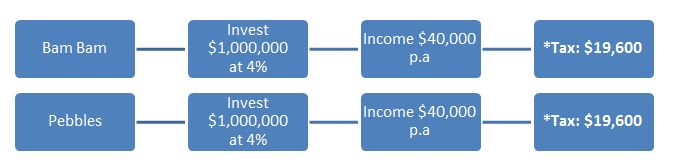
Testamentary <a href=Trust" width="673" height="167" />

Testamentary Trust

KEY TAKEAWAYS

  • A testamentary trust is a provision in a will that appoints a trustee to manage the assets of the deceased.
  • It is frequently used when the beneficiary or beneficiaries are children or disabled people.
  • The trust is also used to reduce estate tax liabilities and ensure professional management of the assets.

Understanding the Testamentary Trust

A testamentary trust is created to manage the assets of the deceased on behalf of the beneficiaries. It is also used as a way of reducing estate tax liabilities and ensuring professional management of the assets of the deceased.

The trust may, for example, direct that the assets may be accessed by a child of the deceased for educational expenses until the child reaches the age of 25, at which time the balance will be paid out.

A testamentary trust might also be created to manage the charitable distribution of assets in accordance with the wishes of the deceased.
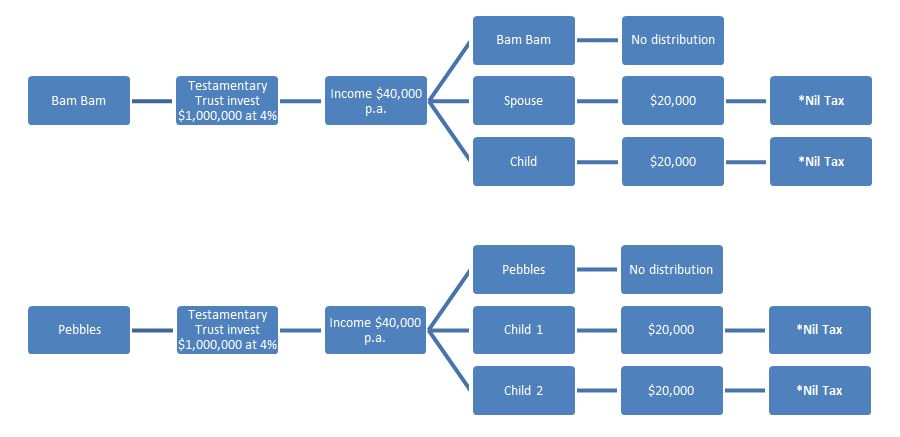
 

Testamentary Trust

Testamentary Trust

How a Testamentary Trust Works

A testamentary trust usually involves three parties: The grantor or trustor who creates the trust, the trustee who manages the assets held in trust, and the beneficiary or beneficiaries who are named in the will.

A trustor has the option of setting up a living trust or a testamentary trust. A living trust, as the name implies, goes into effect during the trustor’s lifetime. A testamentary trust goes into effect immediately upon the death of the trustor.

The testamentary trust is a provision in the will that both names the executor of the estate and instructs that person to create the trust. After the person’s death, the will must go through the probate process to determine its authenticity. The trust then goes into effect, and the executor transfers the property into the testamentary trust.

A testamentary trust remains in effect until a triggering event named in the will, such as a surviving child reaching the age of 21.

Once a testamentary trust is in place, the trustee manages the assets until the trust expires and the beneficiary receives control of them. The trust’s expiration date is usually tied to a specific event, such as the beneficiary reaching a certain age or graduating from college. Until the trust expires, the probate court checks in periodically to ensure that the trust is managed properly.

The trustor can choose anyone to act as a trustee. However, the trustee appointed is not obligated to take on this role and may decline the request. If this happens, the court may appoint a trustee or a relative or friend of the beneficiaries involved may volunteer to act as the trustee.

Email This Share on X Share on LinkedIn
Citations
Embed This Article

Copy and paste this <iframe> into your site. It renders a lightweight card.

Preview loads from ?cta_embed=1 on this post.

NEW

Smart Legal Starts Here

✓Free walkthroughs for your legal situations
✓Track your legal request in your free dashboard
✓Draft and review your docs free
✓Only pay when you want action
+ Post a Legal Service Request

Smart Legal Starts Here

✓Free walkthroughs for your legal situations
✓Track your legal request in your free dashboard
✓Draft and review your docs free
✓Only pay when you want action
+ Post a Legal Service Request

Related Posts

  • What is a Testamentary Letter?
  • Understanding Testamentary Freedom and Its Limitations Under UAE Law
  • Understanding Testamentary Conditions in UAE Inheritance Law
  • Everything You Need to Know About Private Trust Companies
  • The Role of Trust Funds in New York Divorce Cases: How Courts Divide Trust Assets
  • Everything You Need to Know About Small Business Annual Reports
  • Considerations for Outsourcing: Everything You Need to Know
  • Everything You Need to Know About LLCs
  • Everything You Need to Know About Law Firm Incorporation
  • The Future of XaaS (Everything as a Service) in Dubai
  • A Step-by-Step Guide to Starting a Business in Andorra
  • Navigating Andorra’s Tax Haven Status: Optimizing Business and Wealth
  • The Importance of Intellectual Property Rights in Andorra
  • A Guide to Andorra’s Corporate Law: Key Considerations for Foreign Investors
  • Key Considerations for Businesses Operating in Andorra: Employment Regulations
  • A Guide to Real Estate Acquisition in Andorra: Legal Procedures and Pitfalls to Avoid
  • A Comprehensive Guide to Setting up a Financial Services Company in Andorra
  • The Impact of Andorra’s EU Agreements on Local Businesses
  • Strengthening Anti-Money Laundering Measures in Andorra: Combating Financial Crime and Terrorism Financing
  • Andorra’s Commitment to Compliance and Anti-Money Laundering Measures
  • A Comprehensive Guide to Preparing for Your First Consultation on Civil or Criminal Judgment Appeals in Wyoming
  • Preparing for Your First Consultation on Appeals in Wisconsin
  • Preparation Guide for Your First Legal Consultation on Appeals in West Virginia
  • Preparing for Your Appeal Consultation in Washington: A Comprehensive Guide
  • First Consultation Preparation Guide for Appeal from a Civil or Criminal Judgment in Virginia
  • Refund Policy
  • Terms of Use
  • Privacy Policy
  • AI Agent Policy
  • Facebook
  • Twitter
  • Instagram
  • RSS
© 2025 Generis Global Legal Services. All rights reserved.

Quick Apply

Application submitted

Thanks for applying! Our team will review your application and get back to you within 15 days. If you don’t hear from the HR team within that time, your application may not have been successful.