
Almost everyone who has carpets will need thorough cleaning services at some point. This encompasses both private residences and commercial and public areas. The same equipment used to clean carpets may also be used to clean upholstery, vehicles, boats, and anyplace else there are carpeted or fabric surfaces. As the company owner, you will either establish direct contact with clients or work with a slew of contractors who will bring you customers: caterers, restaurateurs, hotel culinary connections, wedding planners, and party and event planners.
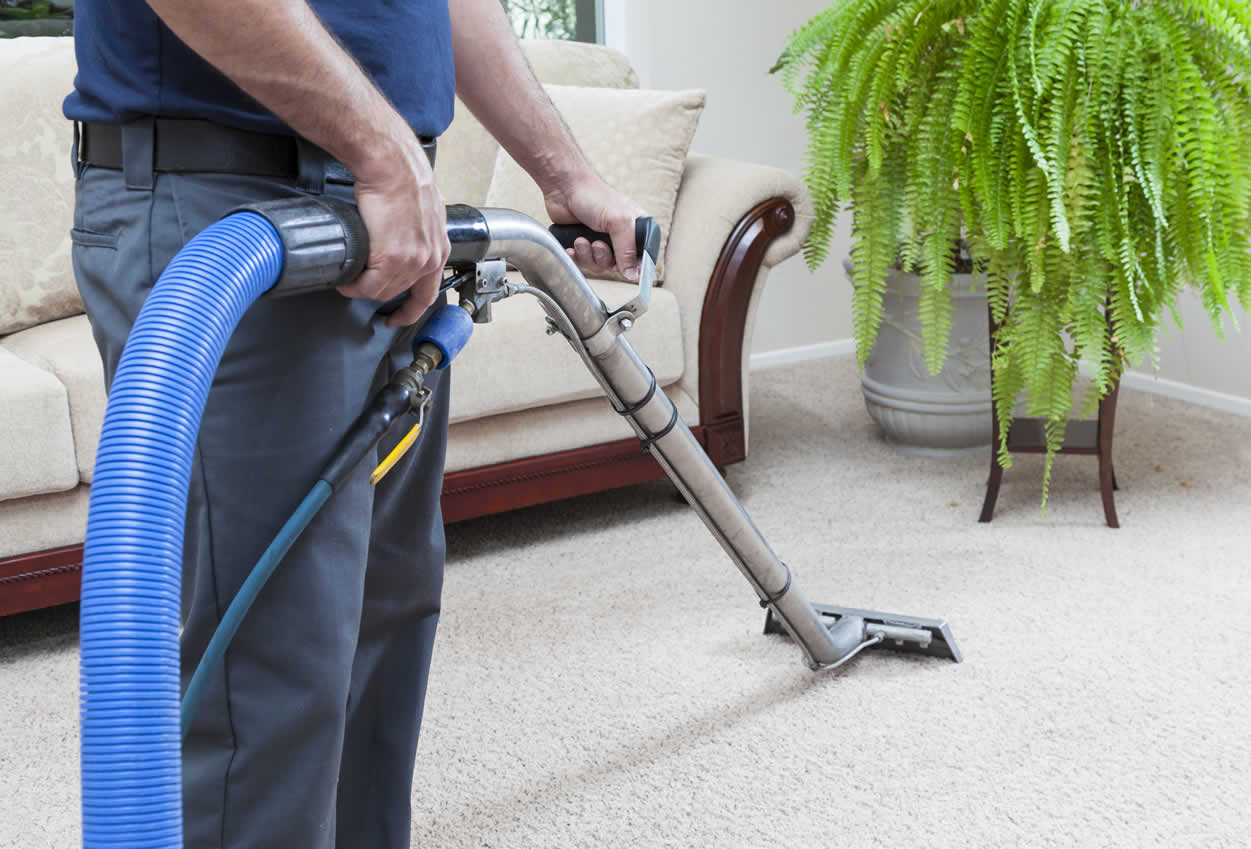
Table of Contents
Follow these ten steps to start a carpet and upholstery cleaning business:
Prepare your Carpet and Upholstery Cleaning Company
Create a legal entity for your carpet and upholstery cleaning business.
Tax registration for your carpet and upholstery cleaning business
Create a Business Bank Account and a Credit Card
Create Accounting for Your Carpet and Upholstery Cleaning Company
Get the Permits and Licenses You Need for Your Carpet and Upholstery Cleaning Business
Get Commercial Carpet and Upholstery Cleaning Insurance
Create a brand for your carpet and upholstery cleaning company.
Create a website for your carpet and upholstery cleaning business.
Configure your Business Phone System
Starting a company entails more than just registering it with the state. This straightforward guide to beginning a carpet and upholstery cleaning company has been put together by us. These stages will guarantee that your new company is well-planned, correctly registered, and legally compliant.
STEP 1: Make a business plan.
A well-thought-out strategy is vital for entrepreneur success. It will assist you in mapping out the intricacies of your organisation and uncovering some unknowns. Consider the following crucial topics:
What are the initial and continuing expenses?
Who is your intended audience?
How much money may you charge your customers?
Fortunately, we have done a lot of the legwork for you.
How much does it cost to start a carpet and upholstery cleaning business?
You might either acquire a franchise from an established business or create your own. Franchise costs may range from $20,000 to $50,000, according to the trade body Institute of Inspection Cleaning and Restoration Certification (IICRC). This does not include equipment, cleaning solutions, or transportation vehicles, but it does involve training and the backing of a well-known brand. Customers will be acquainted with your brand and may have utilised Stanley Steemer services in the past if you advertise yourself as a Stanley Steemer firm, for example. If they were pleased, you’ll earn the credit even if you had no prior affiliation with that firm.
Whether you purchase into an established franchise or create your own, you will incur the following beginning costs:
Carpet cleaning equipment, including an industrial rug cleaner with attachments and a wastewater holding tank, as well as lengthy hoses to the water supply
Cleaning chemicals, which may cost several hundred dollars for a starter supply
A vehicle for equipment transfer and possible operation
Licenses and insurance for businesses (To determine what you’ll need in these areas, visit your attorney and an independent insurance broker.)
Website creation and/or other forms of company promotion, such as van signs and logo design (Consider contacting your local university or community college’s graphic design department for brilliant students who can design logos or construct websites at a significantly lesser cost than an ad agency or even freelancing professional designers.)
A new truck-mounted system might cost between a few thousand dollars to $30,000 in equipment and materials. All of the materials and equipment can be purchased secondhand online for significantly less money at places like these. A secondhand vehicle may be purchased for as low as $5,000.
What are the recurring costs of a carpet and upholstery cleaning company?
After you’ve purchased your primary equipment and transportation vehicle, your recurring costs will mostly consist of cleaning materials, which you may get from janitorial service suppliers. Shop around for the best deals on these everyday items. Payroll expenditures for your workers, which will be set in part by prevailing salaries in your location, and fuel for your cars will be your other continuing expenses. This cost is difficult to measure since it incorporates a variety of variable elements such as vehicle size, mileage, and condition, distances within your market, number of tasks each day, and so on.
As your company expands, you may need to add teams to handle the increased scheduling needs. If this is the case, you will ultimately need to purchase extra equipment and transport vehicles.
Who is the intended audience?
A prospective consumer is someone who owns carpets, rugs, or upholstered furniture and want to keep them clean. That’s almost every home in America—or, more practically, in your marketing region.
While residential cleaning has the highest consumer volume, business customers are more likely to engage your services on a regular basis. Because they have higher foot traffic, their carpets and upholstery get dirty more quickly. And since their facilities are visible to the public, decision-makers are more compelled to keep up appearances. They’re also more likely to have more square feet of need, so a single stop might earn more money than a typical-sized private residence. Office buildings, apartment complexes, retail malls, car showrooms, churches, and other houses of worship are examples of public spaces.
How does a carpet and upholstery cleaning company earn a profit?
Cleaning services are charged to house inhabitants, company owners, property managers, and other client categories. The typical fee is about 30 cents per square foot, and company owners in this sector aim for at least $100 per hour every visit. (The hourly cost often ranges between $75 and $150.)
How much money may you charge your customers?
Carpet cleaning services typically cost about 30 cents per square foot. However, many client connections are formed via couponing or contract discounts. From the perspective of the company owner, the aim is to earn $75 to $150 per hour in the field.
What kind of profit can a carpet and upholstery cleaning company make?
Carpet cleaning companies charge at least 30 cents per square foot and aim to make at least $100 per hour every work. The hourly rate at the top of the scale is about $150. With that amount, if a single truck can operate seven hours a day for 240 days, it will earn about $700 each day. However, since employment is seasonal in certain regions of the nation, billing for 240 days is not always practicable. Experts predict a pre-tax profit of 10 percent to 50 percent.
How can you increase the profitability of your company?
There are several alternative sources of connected business that you might pursue. Deep cleaning automobiles, boats, and recreational vehicles may all be done using the same tools and cleaning products. Cleaning materials similar to these may be used to clean tile and grout, natural stone, and even hardwood floors. And, because you’re already in people’s homes and businesses, think about increasing your service offering to include duct cleaning. Minor carpet repair and restoration, as well as drapery cleaning, may be provided.
STEP 2: Establish a legal entity
Sole proprietorship, partnership, limited liability company (LLC), and corporation are the most frequent business structure forms.
Creating a formal business organisation, such as an LLC or corporation, shields you from personal liability if your carpet and upholstery cleaning company is sued.
STEP 3: File your taxes
Before you can begin for business, you must register for a number of state and federal taxes.
To register for taxes, you will need to get an EIN. It’s really simple and completely free!
Taxes on Small Businesses
Depending on the business form you choose, you may have multiple choices for how your company is taxed. Some LLCs, for example, may benefit from being taxed as a S company (S corp).
These guides will teach you more about small company taxes:
Taxes on LLCs
LLC vs. sole proprietorship
Corporation vs. LLC
S Corp vs. LLC
How to Form a S Corporation
S Corporation vs. C Corporation
There may be state taxes that apply to your company. In our state sales tax guides, you may learn more about state sales taxes and franchise taxes.
STEP 4: Establish a company bank account and credit card
Personal asset protection requires the use of distinct business banking and credit accounts.
When you combine your personal and business accounts, your personal assets (your house, vehicle, and other possessions) are at danger if your company is sued. This is known as penetrating your company veil in business law.
Furthermore, understanding how to develop corporate credit may help you get credit cards and other financing in your company’s name (rather than your own), lower interest rates, larger lines of credit, and other benefits.
Establish a business bank account.
Opening a business bank account is not only required when asking for business financing, but it also:
Separates your personal assets from the assets of your firm, which is required for personal asset protection.
It simplifies bookkeeping and tax reporting.
Create a net 30 account.
Net 30 accounts are used to develop and grow company credit while also increasing cash flow. Businesses use a net 30 account to purchase items and refund the whole debt within a 30-day period.
Many net 30 credit suppliers submit information to the main business credit agencies (Dun & Bradstreet, Experian Business, and Equifax Business Credit). This is how firms establish business credit in order to get approved for credit cards and other lines of credit.
Apply for a business credit card.
Obtaining a business credit card benefits you in the following ways:
Put all of your company’s costs in one location to separate personal and business spending.
Build your company’s credit history, which will be important for raising funds in the future.
STEP 5: Establish business accounting
Recording your numerous costs and sources of revenue is crucial to assessing your company’s financial status. Keeping precise and thorough accounting also makes yearly tax filing much easier.
STEP 6: Obtain all required permissions and licences
Failure to get appropriate permissions and licences may result in significant penalties or possibly the closure of your firm.
Requirements for State and Local Business Licensing
To run a carpet and upholstery cleaning service, some state permissions and licences may be required. Visit the SBA’s reference to state licences and permits to learn more about licencing requirements in your state.
Furthermore, local licencing or regulatory restrictions may apply. For additional information on local licences and permissions, please visit:
Check with the clerk’s office in your town, city, or county.
Contact one of the local organisations mentioned in the US Small Business Associations database of local business resources for help.
Service Contract
Before beginning a new job, carpet cleaning companies might consider asking customers to sign a service agreement. By defining payment terms and conditions, service level expectations, and intellectual property ownership, this agreement should clarify client expectations and reduce the likelihood of legal problems. Here’s an example of a service contract.
When you join up for Rocket Lawyer’s premium membership, you can easily write a professional service agreement for your carpet cleaning company. Members have access to hundreds of legal agreements and on-call lawyers for free legal assistance for $39.95 each month.
STEP 7: Obtain commercial insurance.
Insurance, like licences and permits, is required for your company to operate safely and legally. In the case of a covered loss, business insurance protects your company’s financial well-being.
There are several sorts of insurance plans designed for various types of companies with varying risks. If you are unaware about the hazards that your company may encounter, start with General Liability Insurance. This is the most popular coverage required by small companies, so it’s a good place to start for yours. \
Workers’ Compensation Insurance is another important insurance product that many companies need. If your company will have workers, your state may require you to purchase Workers’ Compensation insurance.
STEP 8: Establish your brand
Your company’s brand is what it stands for, as well as how the public perceives it. A strong brand will help your company stand out from the crowd.
How to Promote and Market Your Carpet and Upholstery Cleaning Company
Your present network of friends, neighbours, social media connections, church or charity contacts, and business colleagues is your finest source of advertising. Join your local chamber of commerce if you haven’t already. That’s a terrific strategy to build customer connections with public-sector firm owners and decision-makers.
Your website should be simple to use and encourage replies. Consider couponing as a way to introduce yourself to a new consumer base.
How to Keep Customers Returning
In our firm, asking for references from every delighted client is the greatest method to recruit and keep consumers. When individuals think about having their carpets cleaned, they often check for recommendations because they want to be able to trust strangers they bring into their homes.
Offer incentives for recurring business to commercial clients to entice them to sign long-term contracts.
STEP 9: Create your company’s website.
After you’ve defined your brand and designed your logo, the next step is to build a website for your company.
While developing a website is an important step, some may be concerned that it is out of their grasp due to a lack of website-building skills. While this was a fair concern in 2015, online technology has made significant advances in recent years, making the lives of small company owners considerably easier.
The following are the primary reasons why you should not put off developing your website:
Every genuine company has a website, period. When it comes to bringing your company online, it doesn’t matter what size or sector it is.
Social media accounts, such as Facebook pages or LinkedIn company profiles, are not a substitute for your own business website.
STEP 10: Install your company phone system.
Getting a phone for your company is one of the finest methods to keep your personal and professional lives distinct and private. That isn’t the only advantage; it also helps you automate your company, provides it legitimacy, and makes it simpler for prospective clients to identify and contact you.
Copy and paste this <iframe> into your site. It renders a lightweight card.
Preview loads from ?cta_embed=1 on this post.