
Commercial photographers take creative photos with the goal of promoting and selling items and services. Advertisements, flyers, pamphlets, and even restaurant menus may all benefit from photographs.
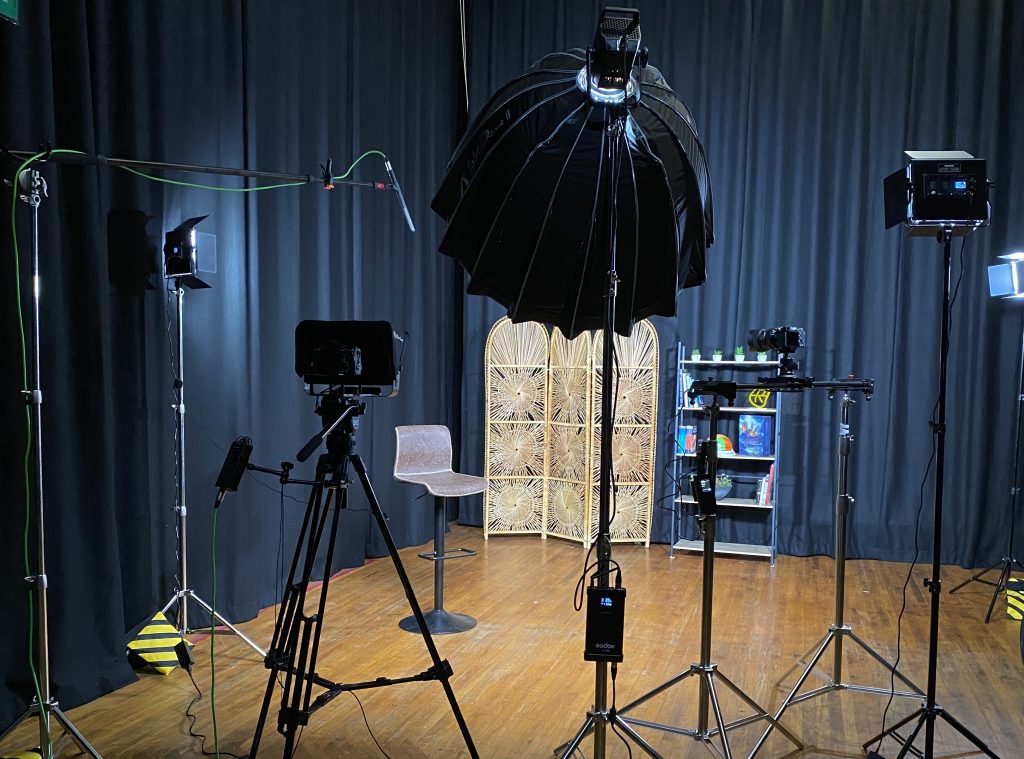
Table of Contents
Follow these ten steps to start a professional photography business:
Make a plan for your commercial photography business.
Create a legal entity for your commercial photography business.
Tax registration for your commercial photography business
Create a Business Bank Account and a Credit Card
Create an accounting system for your commercial photography business.
Get the Permits and Licenses You Need for Your Commercial Photography Business
Purchase Commercial Photography Business Insurance.
Create a brand for your commercial photography business.
Make a website for your commercial photography business.
Configure your Business Phone System
Starting a company entails more than just registering it with the state. This basic guide to beginning your commercial photography company has been put together by us. These stages will guarantee that your new company is well-planned, correctly registered, and legally compliant.
STEP 1: Make a business plan.
A well-thought-out strategy is vital for entrepreneur success. It will assist you in mapping out the intricacies of your organisation and uncovering some unknowns. Consider the following crucial topics:
What are the initial and continuing expenses?
Who is your intended audience?
How much money may you charge your customers?
Fortunately, we have done a lot of the legwork for you.
What are the expenses associated with starting a commercial photography business?
Budget at least $10,000-$15,000 for camera and studio equipment, according to experienced specialists. If you want to have your own studio space, double your initial budget to pay for deposits and any facility renovations that may be required.
Camera and equipment should include the following:
Camera(s) and a variety of lenses
Monopods and tripods
Disk drives
Laptop
Flashes and filters for flashes
a colorimeter
Software for editing
Devices for storing backup data
As part of your first investment, you will also need to consult with a specialist about your insurance requirements and have a basic, but professional website established. Accounting and company management tools would also be advantageous.
What are the continuing costs of operating a professional photography business?
Ongoing expenditures that you may spend based on your target demographic and company objectives include:
masonry and mortar
Expenses for travel
Marketing and networking
Equipment maintenance or replacement
Business instruments
Insurance
Salaries or professional fees
Who is the intended audience?
In contrast to other occupations, you create your own target market based on your vision, interests, and abilities. Your goal is to assist clients in reaching their target audience(s), with almost every group in need of inspirational photos.
How is a commercial photography company profitable?
Commercial photographers are often compensated on a per-shoot basis. Fees are set in advance and are dependent on a variety of criteria, including the scope of the project, the client’s budget, and the photographer’s expertise.
How much money may you charge your customers?
Owners of commercial photography businesses determine their fees depending on their expertise and project requirements. A fixed charge is usual in addition to expenditures. The daily price ranges from $1,000 to $10,000 per day.
How much money can a professional photographer make?
Profits fluctuate based on a variety of circumstances. Entrepreneurs that want to keep their firms small make an average profit of $75,000 each year. Profits of more than $250,000 have been reported by industry executives.
How can you increase the profitability of your company?
Consider applying the following measures to increase profitability:
Include product photography among your offerings.
Create a talent agency with a range of ability levels.
Include video in your service offerings.
STEP 2: Establish a legal entity
Sole proprietorship, partnership, limited liability company (LLC), and corporation are the most frequent business structure forms.
If your commercial photography firm is sued, becoming a formal business organisation, such as an LLC or corporation, prevents you from being held personally accountable.
STEP 3: File your taxes
Before you can begin for business, you must register for a number of state and federal taxes.
To register for taxes, you will need to get an EIN. It’s really simple and completely free!
Taxes on Small Businesses
Depending on the business form you choose, you may have multiple choices for how your company is taxed. Some LLCs, for example, may benefit from being taxed as a S company (S corp).
These guides will teach you more about small company taxes:
Taxes on LLCs
LLC vs. sole proprietorship
Corporation vs. LLC
S Corp vs. LLC
How to Form a S Corporation
S Corporation vs. C Corporation
There may be state taxes that apply to your company. In our state sales tax guides, you may learn more about state sales taxes and franchise taxes.
STEP 4: Establish a company bank account and credit card
Personal asset protection requires the use of distinct business banking and credit accounts.
When you combine your personal and business accounts, your personal assets (your house, vehicle, and other possessions) are at danger if your company is sued. This is known as penetrating your company veil in business law.
Furthermore, understanding how to develop corporate credit may help you get credit cards and other financing in your company’s name (rather than your own), lower interest rates, larger lines of credit, and other benefits.
Establish a business bank account.
Opening a business bank account is not only required when asking for business financing, but it also:
Separates your personal assets from the assets of your firm, which is required for personal asset protection.
It simplifies bookkeeping and tax reporting.
Create a net 30 account.
Net 30 accounts are used to develop and grow company credit while also increasing cash flow. Businesses use a net 30 account to purchase items and refund the whole debt within a 30-day period.
Many net 30 credit suppliers submit information to the main business credit agencies (Dun & Bradstreet, Experian Business, and Equifax Business Credit). This is how firms establish business credit in order to get approved for credit cards and other lines of credit.
Apply for a business credit card.
Obtaining a business credit card benefits you in the following ways:
Put all of your company’s costs in one location to separate personal and business spending.
Build your company’s credit history, which will be important for raising funds in the future.
STEP 5: Establish business accounting
Recording your numerous costs and sources of revenue is crucial to assessing your company’s financial status. Keeping precise and thorough accounting also makes yearly tax filing much easier.
STEP 6: Obtain all required permissions and licences
Failure to get appropriate permissions and licences may result in significant penalties or possibly the closure of your firm.
Requirements for State and Local Business Licensing
To run a commercial photography company, several state permissions and licences may be required. Visit the SBA’s reference to state licences and permits to learn more about licencing requirements in your state.
For information on local licences and permissions, visit:
Check with the clerk’s office in your town, city, or county.
Contact one of the local organisations mentioned in the US Small Business Associations database of local business resources for help.
Contract for Services
Before beginning a new project, commercial photography enterprises should need customers to sign a services agreement. By defining payment terms and conditions, service level expectations, and intellectual property ownership, this agreement should clarify client expectations and reduce the likelihood of legal problems. Here’s an example of a service agreement.
Copyright & Trademark Protection
If you are creating a one-of-a-kind product, idea, brand, or design, you should safeguard your rights by registering for the necessary trademarks and copyrights.
Learn more about copyright and trademark protection.
STEP 7: Obtain commercial insurance.
Insurance, like licences and permits, is required for your company to operate safely and legally. In the case of a covered loss, business insurance protects your company’s financial well-being.
There are several sorts of insurance plans designed for various types of companies with varying risks. If you are unaware about the hazards that your company may encounter, start with General Liability Insurance. This is the most popular coverage required by small companies, so it’s a good place to start for yours.
Workers’ Compensation Insurance is another important insurance product that many companies need. If your company will have workers, your state may require you to purchase Workers’ Compensation insurance.
STEP 8: Establish your brand
Your company’s brand is what it stands for, as well as how the public perceives it. A strong brand will help your company stand out from the crowd.
How to Market and Promote a Commercial Photography Business
Whether on assignment, at a conference, or working from home, marketing will consume more than 65 percent of your time. Participate in community activities, work with a range of contributing artists, and join professional organisations such as the American Society of Media Photographers and Professional Photographers of America. These organisations provide members with educational and networking opportunities in addition to advertising services.
Once you’ve determined your target market, contact ad companies that specialise in these areas. Schedule a meeting and bring a portfolio that will set you apart from the competitors.
How to Keep Customers Returning
It is your responsibility to follow through after you have persuaded someone that you are the best match. Create a professional, high-quality, and consistent reputation. Develop ties in all aspects of the community, and word of mouth will become your most powerful marketing weapon.
STEP 9: Create your company’s website.
After you’ve defined your brand and designed your logo, the next step is to build a website for your company.
While developing a website is an important step, some may be concerned that it is out of their grasp due to a lack of website-building skills. While this was a fair concern in 2015, online technology has made significant advances in recent years, making the lives of small company owners considerably easier.
The following are the primary reasons why you should not put off developing your website:
Every genuine company has a website, period. When it comes to bringing your company online, it doesn’t matter what size or sector it is.
Social media accounts, such as Facebook pages or LinkedIn company profiles, are not a substitute for your own business website.
STEP 10: Install your company phone system.
Getting a phone for your company is one of the finest methods to keep your personal and professional lives distinct and private. That isn’t the only advantage; it also helps you automate your company, provides it legitimacy, and makes it simpler for prospective clients to identify and contact you.
Copy and paste this <iframe> into your site. It renders a lightweight card.
Preview loads from ?cta_embed=1 on this post.